-
-
-
Gleneagles Hospital, Parel, Mumbai
Spine Fractures
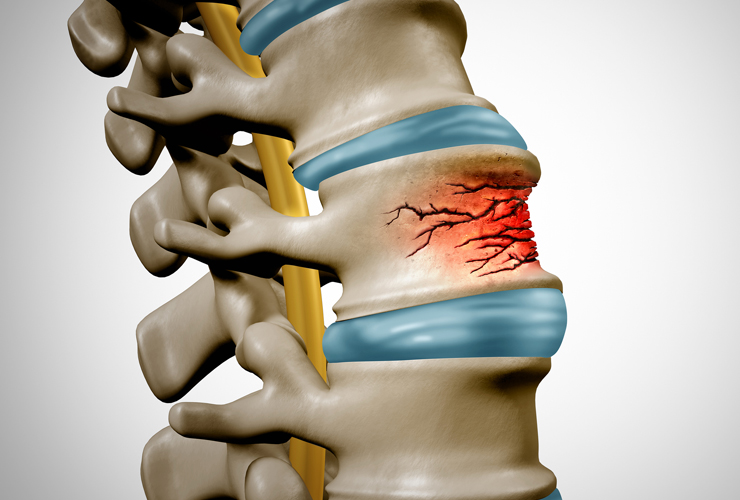
Spine Fractures
A spine fracture refers to a break or crack in one or more bones of the spinal column (vertebrae). These fractures can occur due to trauma, accidents, falls, or weakened bones and may affect the stability of the spine and the spinal cord. In severe cases, spine fractures can lead to nerve damage, pain, and difficulty with movement.
Early diagnosis and appropriate treatment are essential to prevent long-term complications and restore spinal stability.
Common Causes of Spine Fractures
Spine fractures may occur due to several reasons, including:
-
Road traffic accidents
-
Falls from height
-
Sports injuries
-
Osteoporosis (weakening of bones)
-
Severe trauma or impact to the back
Prompt medical evaluation is important to assess the severity of the injury.
Types of Spine Fractures
Compression Fracture
Occurs when the vertebra collapses or is compressed, often due to osteoporosis or trauma.
Burst Fracture
A more severe injury where the vertebra breaks into multiple fragments that may affect the spinal canal.
Fracture-Dislocation
A serious condition where the vertebra fractures and shifts out of alignment, potentially damaging the spinal cord.
Symptoms of Spine Fractures
Symptoms may vary depending on the severity and location of the fracture. Common symptoms include:
-
Severe back or neck pain
-
Limited movement of the spine
-
Numbness or weakness in arms or legs
-
Difficulty standing or walking
-
Tingling sensation in the limbs
Immediate medical care is required if neurological symptoms appear.
Diagnosis of Spine Fractures
Accurate diagnosis helps determine the extent of spinal injury and guides treatment. Diagnostic methods may include:
-
X-rays of the spine
-
CT Scan for detailed bone evaluation
-
MRI to assess spinal cord and nerve involvement
-
Neurological examination
Treatment Options
Treatment depends on the severity and type of fracture.
Non-Surgical Treatment
Mild fractures may be treated with rest, pain medications, spinal braces, and physiotherapy.
Minimally Invasive Spine Procedures
Procedures such as vertebroplasty or kyphoplasty may be used to stabilize certain fractures.
Spine Surgery
In severe cases, surgery may be required to stabilize the spine using rods, screws, or spinal fusion techniques.
Recovery and Rehabilitation
After treatment, rehabilitation programs including physiotherapy help restore strength, mobility, and spinal stability. Regular follow-up ensures proper healing and prevents further complications.
Advanced Neurosurgery Services