-
-
-
Gleneagles Hospital, Parel, Mumbai
Spinal Deformity Correction
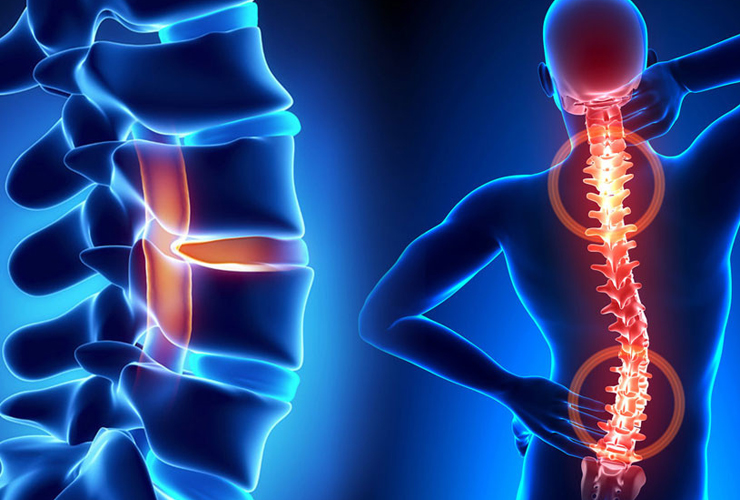
Spinal Deformity Correction (Scoliosis, Kyphosis)
Spinal deformities occur when the spine develops an abnormal curvature or alignment. Conditions such as scoliosis (sideways curvature of the spine) and kyphosis (excessive forward curvature of the upper back) can affect posture, mobility, and overall spinal health.
These conditions may develop during childhood, adolescence, or later in life due to degeneration or injury. Early diagnosis and proper treatment are important to prevent progression and maintain spinal function.
Types of Spinal Deformities
Scoliosis
Scoliosis is a condition where the spine curves sideways in an “S” or “C” shape. It commonly develops during the growth period in children and adolescents but can also occur in adults due to degenerative changes.
Kyphosis
Kyphosis refers to an excessive outward curvature of the upper spine, leading to a rounded or hunched back appearance. Severe kyphosis may cause pain, stiffness, and breathing difficulties.
Causes of Spinal Deformities
Spinal deformities can occur due to several factors, including:
-
Congenital spinal abnormalities present at birth
-
Growth-related changes during adolescence
-
Degenerative spinal conditions in adults
-
Neuromuscular disorders
-
Spinal injuries or trauma
Identifying the underlying cause helps guide appropriate treatment.
Symptoms of Spinal Deformities
Symptoms may vary depending on the severity of the curvature. Common signs include:
-
Visible curvature or abnormal posture
-
Uneven shoulders or hips
-
Back pain or stiffness
-
Fatigue after standing or sitting for long periods
-
Difficulty maintaining balance
-
Reduced flexibility or spinal mobility
In severe cases, spinal deformities may affect lung function or nerve structures.
Diagnosis
A thorough evaluation is necessary to assess the degree of spinal curvature and plan treatment. Diagnostic methods may include:
-
Physical examination of posture and spinal alignment
-
X-rays of the spine to measure curvature
-
MRI or CT scan for detailed evaluation of spinal structures
These tests help determine the severity and progression of the deformity.
Treatment Options
Treatment depends on the patient’s age, severity of curvature, and symptoms.
Non-Surgical Treatment
Mild cases may be managed with:
-
Physiotherapy and posture correction exercises
-
Spinal braces to prevent curve progression
-
Pain management and lifestyle modifications
Spinal Deformity Correction Surgery
In moderate to severe cases, surgical correction may be recommended to straighten and stabilize the spine using rods, screws, and spinal fusion techniques.
Modern surgical approaches aim to restore spinal alignment, relieve pain, and improve overall posture and mobility.
Recovery and Rehabilitation
After treatment, rehabilitation programs including physiotherapy help improve strength, flexibility, and posture. Regular follow-up care ensures proper healing and long-term spinal stability.
Early diagnosis and expert care play an important role in effectively managing spinal deformities and maintaining a healthy spine.
Advanced Neurosurgery Services