-
-
-
Gleneagles Hospital, Parel, Mumbai
Spinal AVM Embolization
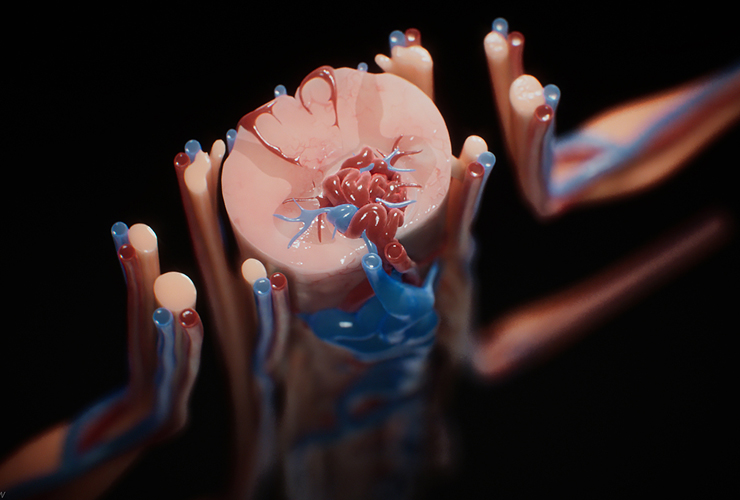
Spinal AVM Embolization
Spinal Arteriovenous Malformation (Spinal AVM) is a rare but serious condition involving abnormal connections between arteries and veins in or around the spinal cord. In this condition, blood flows directly from arteries to veins without passing through the normal capillary network, creating high-pressure blood flow that can damage spinal cord tissues.
If left untreated, spinal AVMs may lead to progressive neurological problems, spinal cord damage, or bleeding. Early diagnosis and specialized treatment are essential to protect spinal cord function and prevent long-term complications.
Symptoms of Spinal AVM
Symptoms of spinal AVM may develop gradually and vary depending on the location and size of the malformation. Common symptoms include:
-
Persistent back pain
-
Weakness in the legs
-
Numbness or tingling in the lower limbs
-
Difficulty walking or maintaining balance
-
Problems with bladder or bowel control
-
Sudden neurological deterioration in case of bleeding
If these symptoms occur, prompt medical evaluation is important.
Diagnosis
Accurate diagnosis helps determine the type and severity of the spinal AVM. Diagnostic tests may include:
-
MRI Scan of the spine to identify abnormal blood vessels
-
CT Scan for detailed imaging of spinal structures
-
Spinal Angiography to precisely map the abnormal blood vessels
These imaging techniques help doctors plan the most effective treatment strategy.
Treatment Options for Spinal AVM
Treatment depends on the location, size, and severity of the vascular malformation.
Endovascular Embolization
This minimally invasive procedure involves inserting a catheter through a blood vessel and delivering embolizing materials to block abnormal blood flow in the AVM.
Microsurgical Removal
In some cases, surgery may be required to remove the abnormal blood vessels and relieve pressure on the spinal cord.
Combined Treatment Approach
Often, embolization is performed before surgery to reduce blood flow and make the surgical procedure safer.
Recovery and Long-Term Monitoring
After treatment, patients may require rehabilitation and physiotherapy to regain strength and mobility. Regular follow-up imaging helps monitor the treated vessels and ensures long-term stability.
Timely treatment of spinal AVMs can significantly improve neurological outcomes and help protect spinal cord function.
Advanced Neurosurgery Services