-
-
-
Gleneagles Hospital, Parel, Mumbai
Sciatica & Nerve Compression
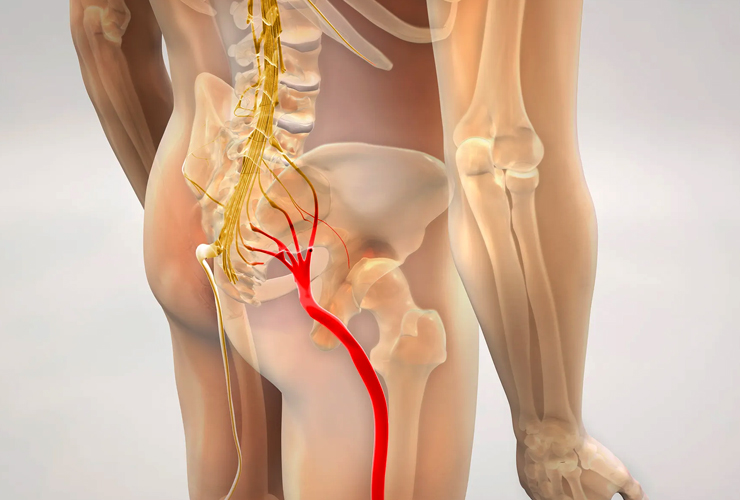
Sciatica & Nerve Compression
Sciatica is a condition caused by irritation or compression of the sciatic nerve, the longest nerve in the human body that runs from the lower back through the hips and down each leg. When this nerve becomes compressed, it can lead to pain, numbness, tingling, or weakness along the path of the nerve.
Sciatica is often related to spinal conditions such as slipped discs, spinal stenosis, or bone spurs. Early diagnosis and appropriate treatment can help relieve pain and prevent long-term nerve damage.
Common Causes of Sciatica
Sciatic nerve compression can occur due to several spinal conditions, including:
-
Herniated or slipped disc
-
Spinal stenosis (narrowing of the spinal canal)
-
Degenerative disc disease
-
Bone spurs in the spine
-
Spinal injuries or trauma
-
Spondylolisthesis (vertebral slippage)
Identifying the underlying cause is essential for effective treatment.
Symptoms of Sciatica
Symptoms usually affect one side of the body and may include:
-
Sharp or burning pain radiating from the lower back to the leg
-
Numbness or tingling sensation in the leg or foot
-
Muscle weakness in the affected leg
-
Pain that worsens while sitting, coughing, or sneezing
-
Difficulty standing, walking, or bending
In severe cases, nerve compression can interfere with normal movement and daily activities.
Diagnosis
A detailed evaluation helps determine the cause and severity of nerve compression. Diagnostic methods may include:
-
Physical and neurological examination
-
MRI scan of the spine
-
CT scan for detailed spinal imaging
-
X-rays to evaluate spinal alignment
These tests help doctors identify the exact location of nerve compression.
Treatment Options
Treatment for sciatica focuses on relieving nerve pressure and reducing pain.
Non-Surgical Treatment
Most patients improve with conservative treatment such as:
-
Pain relief medications
-
Physiotherapy and stretching exercises
-
Lifestyle modifications and posture correction
-
Nerve pain management therapies
Minimally Invasive Spine Procedures
If symptoms persist or worsen, minimally invasive procedures may be recommended to relieve pressure on the sciatic nerve.
Spine Surgery
In severe cases, surgical treatment may be required to remove the cause of nerve compression and restore normal nerve function.
Recovery and Prevention
With proper treatment and rehabilitation, most patients recover well from sciatica. Maintaining good posture, regular exercise, and spinal strengthening can help prevent recurrence and promote long-term spinal health.
Advanced Neurosurgery Services