-
-
-
Gleneagles Hospital, Parel, Mumbai
Brain Tumor
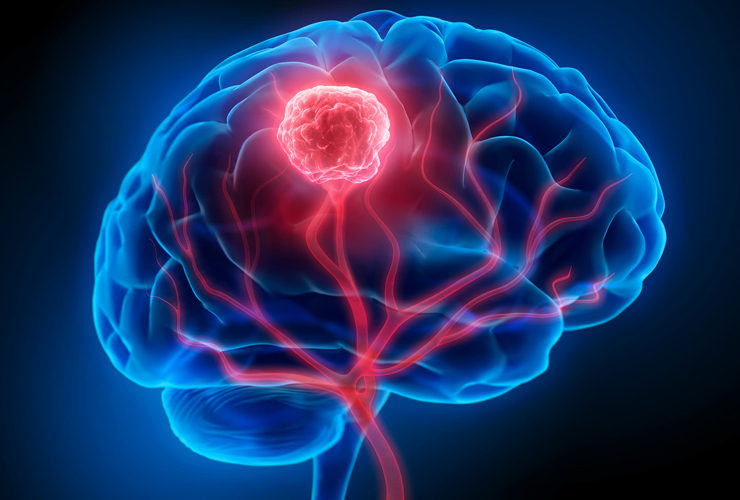
Brain Tumor (Benign & Malignant)
A brain tumor is an abnormal growth of cells within the brain that can affect its normal functioning. Brain tumors may be benign (non-cancerous) or malignant (cancerous), and both types require careful evaluation and timely medical attention. Early diagnosis and appropriate treatment are essential to prevent complications and improve patient outcomes.
Our specialized neurological care focuses on accurate diagnosis, advanced treatment options, and personalized care plans to effectively manage brain tumors while preserving brain function and quality of life.
Types of Brain Tumors
Benign Brain Tumors
Benign tumors grow slowly and usually do not spread to other parts of the brain or body. However, they can still cause symptoms by pressing on nearby brain structures.
Common types include:
-
Meningioma
-
Pituitary adenoma
-
Acoustic neuroma
Malignant Brain Tumors
Malignant tumors are cancerous and tend to grow rapidly. They may invade surrounding brain tissue and require specialized treatment and continuous monitoring.
Common types include:
-
Glioblastoma
-
Astrocytoma
-
Metastatic brain tumors
Common Symptoms of Brain Tumors
Symptoms may vary depending on the tumor's size and location. Common signs include:
-
Persistent or severe headaches
-
Seizures or sudden convulsions
-
Difficulty with balance or coordination
-
Vision or speech problems
-
Memory loss or confusion
-
Weakness or numbness in arms or legs
If these symptoms occur, it is important to seek medical evaluation promptly.
Diagnosis of Brain Tumors
Accurate diagnosis plays a crucial role in planning effective treatment. Diagnostic methods may include:
-
Neurological examination
-
MRI or CT scans of the brain
-
Biopsy for tumor analysis
-
Advanced imaging techniques
These tests help determine the type, location, and severity of the tumor.
Treatment Options
Treatment for brain tumors depends on the tumor type, size, location, and overall patient health.
Possible treatment approaches include:
-
Surgical removal of the tumor
-
Radiation therapy to destroy tumor cells
-
Chemotherapy for malignant tumors
-
Targeted therapy in specific cases
-
Regular monitoring for slow-growing tumors
A multidisciplinary approach ensures the most effective treatment plan for each patient.
Why Early Treatment Matters
Early diagnosis and treatment of brain tumors can help:
-
Prevent neurological complications
-
Improve treatment success rates
-
Reduce pressure on brain tissues
-
Enhance quality of life
Regular neurological evaluation is essential if symptoms suggest possible brain abnormalities.
Advanced Neurosurgery Services