-
-
-
Gleneagles Hospital, Parel, Mumbai
Brain Aneurysm Treatment (Coiling / Flow Diverters / Contour / WEB Device)
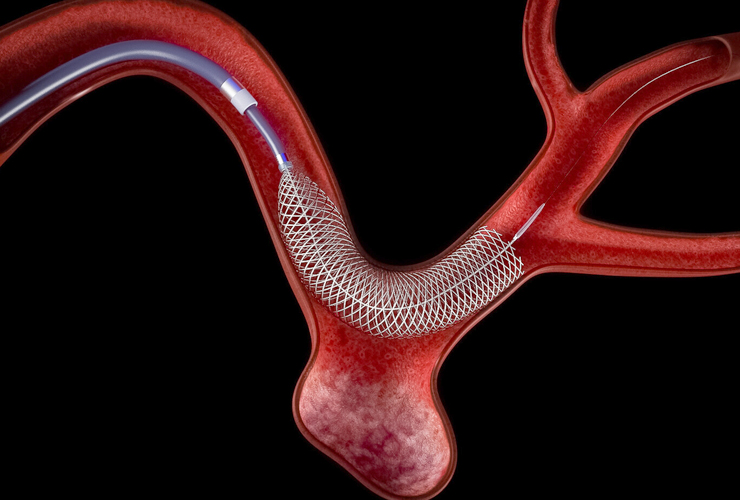
Brain Aneurysm Treatment (Coiling / Flow Diverters / Contour / WEB Device)
Brain aneurysm coiling and flow diverter therapy are minimally invasive endovascular procedures used to treat brain aneurysms and reduce the risk of rupture or bleeding. These advanced techniques help block or redirect blood flow within the aneurysm, preventing it from enlarging or rupturing.
Unlike traditional open surgery, these procedures are performed through catheter-based techniques, allowing effective treatment with less trauma and faster recovery.
What is a Brain Aneurysm?
A brain aneurysm is a weak or bulging area in the wall of a brain artery that can expand over time. If an aneurysm ruptures, it can cause subarachnoid hemorrhage, a serious and potentially life-threatening form of brain bleeding.
Early detection and timely treatment play an important role in preventing rupture and protecting brain health.
Aneurysm Coiling
Endovascular coiling is a widely used treatment for brain aneurysms. During this procedure:
-
A thin catheter is inserted through an artery in the groin or wrist
-
The catheter is guided to the aneurysm using advanced imaging
-
Tiny platinum coils are placed inside the aneurysm
-
The coils promote blood clot formation inside the aneurysm, sealing it off from blood circulation
This prevents the aneurysm from filling with blood and reduces the risk of rupture.
Flow Diverter Stents
Flow diverters are specialized stent-like devices placed inside the parent artery to redirect blood flow away from the aneurysm.
Key benefits of flow diverters include:
-
Gradual closure of the aneurysm over time
-
Strengthening of the affected blood vessel
-
Effective treatment for large or complex aneurysms
The device promotes natural healing of the artery while preventing blood from entering the aneurysm.
Benefits of Endovascular Aneurysm Treatment
Brain aneurysm coiling and flow diverter procedures offer several advantages:
-
Minimally invasive treatment approach
-
Reduced risk of aneurysm rupture
-
Shorter hospital stay and faster recovery
-
Less surgical trauma compared to open surgery
-
Effective management of complex aneurysms
Recovery and Follow-Up
Most patients recover quickly after endovascular aneurysm treatment. Follow-up imaging such as MRI or angiography may be recommended to ensure the aneurysm remains securely treated.
Regular monitoring and proper medical care help ensure long-term success and protect against future complications.
Advanced Neurosurgery Services