-
-
-
Gleneagles Hospital, Parel, Mumbai
Intracranial Stenting
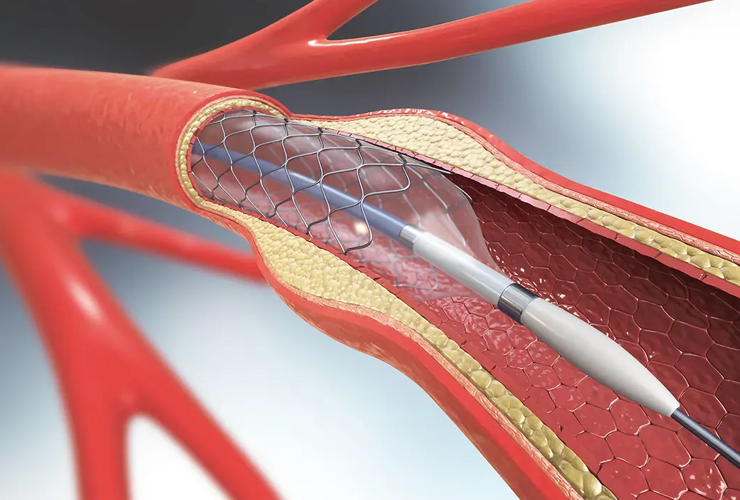
Intracranial Stenting
Intracranial stenting is a minimally invasive procedure used to treat severe narrowing (stenosis) of arteries inside the brain. When these arteries become narrowed due to plaque buildup or vascular disease, blood flow to the brain can be reduced, increasing the risk of stroke or transient ischemic attacks (TIA).
Intracranial stenting helps restore proper blood circulation by placing a small metal mesh stent inside the affected artery to keep it open and maintain normal blood flow to the brain.
When is Intracranial Stenting Recommended?
Intracranial stenting may be recommended for patients who:
-
Have significant narrowing of brain arteries
-
Experience recurrent transient ischemic attacks (mini-strokes)
-
Have a high risk of ischemic stroke due to blocked arteries
-
Do not respond adequately to medications and lifestyle changes
Proper evaluation helps determine whether this procedure is the best treatment option.
Symptoms of Intracranial Artery Narrowing
Patients with intracranial artery stenosis may experience symptoms such as:
-
Sudden weakness or numbness in the face, arm, or leg
-
Difficulty speaking or understanding speech
-
Temporary vision problems
-
Loss of balance or coordination
-
Recurrent transient ischemic attacks (TIAs)
Early diagnosis and treatment can help prevent major strokes.
How Intracranial Stenting is Performed
Intracranial stenting is performed using advanced endovascular techniques. The procedure generally involves:
-
Inserting a thin catheter through an artery in the groin or wrist
-
Guiding the catheter to the narrowed brain artery using imaging guidance
-
Expanding a balloon (if required) to widen the artery
-
Placing a stent to keep the artery open and maintain blood flow
The procedure is minimally invasive and avoids the need for open brain surgery.
Benefits of Intracranial Stenting
Intracranial stenting offers several advantages, including:
-
Improved blood flow to the brain
-
Reduced risk of stroke
-
Minimally invasive procedure
-
Faster recovery compared to open surgery
-
Improved long-term vascular health
Recovery and Follow-Up Care
Most patients recover quickly after intracranial stenting and may return to normal activities within a short period. Doctors may recommend blood-thinning medications, lifestyle modifications, and regular follow-up imaging to ensure the stent remains functioning properly.
Early treatment and proper monitoring can significantly reduce the risk of future strokes and help maintain long-term brain health.
Advanced Neurosurgery Services