-
-
-
Gleneagles Hospital, Parel, Mumbai
Rapid Imaging Protocol
Rapid Imaging Protocol
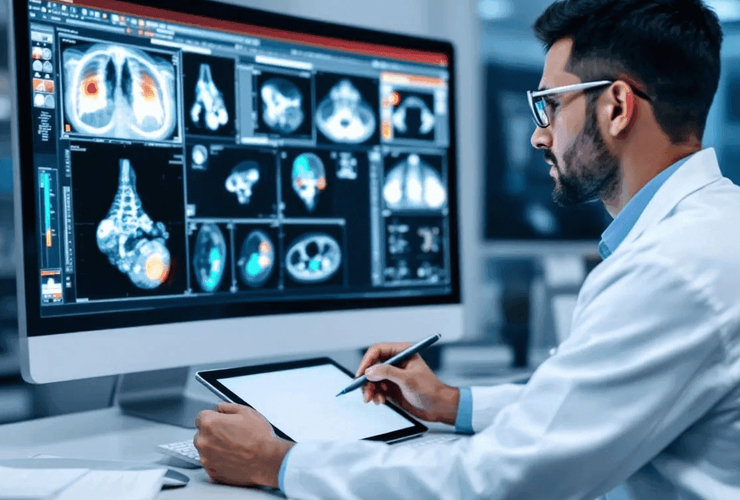
Rapid Imaging Protocol is a streamlined diagnostic approach designed to quickly evaluate brain and vascular conditions, especially in emergency situations such as stroke, head injury, or neurological deterioration.
By using advanced imaging techniques and optimized workflows, this protocol ensures immediate diagnosis and faster treatment decisions, helping save critical brain function.
What is Rapid Imaging Protocol?
Rapid imaging combines multiple advanced scans in a time-efficient sequence to assess brain structure, blood flow, and vessel status within minutes.
Key Imaging Modalities:
- NCCT (Non-Contrast CT Scan) – Detects bleeding or early stroke signs
- CT Angiography (CTA) – Identifies blocked or narrowed blood vessels
- CT Perfusion (CTP) – Evaluates blood flow and identifies salvageable brain tissue
This integrated approach provides a complete picture of the patient’s condition in real time.
Why Rapid Imaging is Critical
In neurological emergencies like stroke, time is brain. Rapid imaging helps:
- Confirm diagnosis within minutes
- Identify type of stroke (ischemic vs hemorrhagic)
- Detect large vessel occlusions (LVOs)
- Determine eligibility for treatments like IV thrombolysis or thrombectomy
- Reduce delays in starting treatment
AI-Enhanced Imaging Workflow
Modern rapid imaging protocols are enhanced with AI-based analysis tools that:
- Automatically detect abnormalities
- Provide instant alerts to specialists
- Assist in ASPECTS scoring and perfusion analysis
- Improve accuracy and reduce human error
This leads to faster, smarter, and more reliable decision-making.
Benefits of Rapid Imaging Protocol
- Immediate diagnosis and treatment planning
- Reduced door-to-treatment time
- Improved stroke outcomes
- Better coordination between emergency and neuro teams
- Enhanced patient safety and efficiency
Seamless Emergency Stroke Care
Rapid imaging is a crucial part of a comprehensive stroke program, ensuring patients receive timely intervention within the golden hour. It enables healthcare teams to act quickly and deliver the most appropriate treatment without delay.
Advanced Neuro Emergency Support
With a focus on speed, accuracy, and technology integration, the Rapid Imaging Protocol plays a vital role in saving lives, preserving brain function, and improving recovery outcomes in neurological emergencies.
Advanced Neurosurgery Services