-
-
-
Gleneagles Hospital, Parel, Mumbai
Head Injury
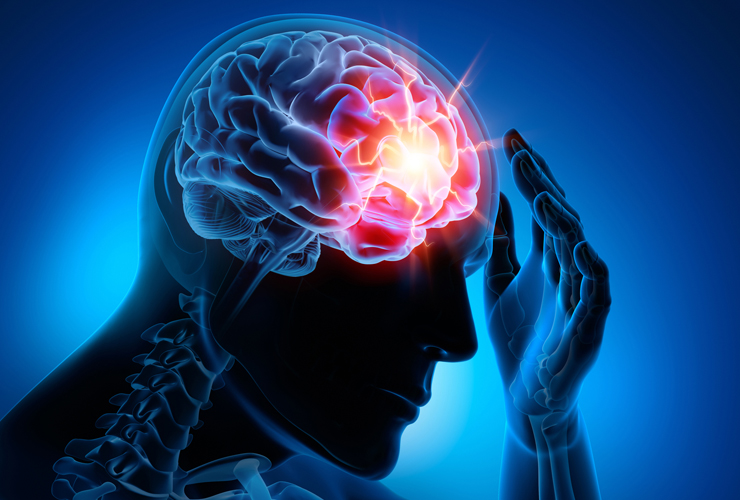
Head Injury (EDH, SDH, Contusions, etc)
Head injuries occur when a sudden impact or trauma damages the scalp, skull, or brain. These injuries can range from mild concussions to severe traumatic brain injuries that require immediate medical attention. Conditions such as Epidural Hematoma (EDH), Subdural Hematoma (SDH), and brain contusions are serious complications that can occur following head trauma.
Prompt diagnosis and specialized neurosurgical care are essential to prevent brain damage and improve patient outcomes.
Common Causes of Head Injuries
Head injuries can occur due to various accidents or trauma, including:
-
Road traffic accidents
-
Falls from height
-
Sports-related injuries
-
Workplace accidents
-
Physical assault or trauma
Immediate medical evaluation is necessary even if symptoms appear mild at first.
Types of Traumatic Brain Injuries
Epidural Hematoma (EDH)
A condition where bleeding occurs between the skull and the outer covering of the brain. It often results from severe head trauma and requires urgent treatment.
Subdural Hematoma (SDH)
Bleeding that occurs between the brain surface and its protective covering. It can develop rapidly after trauma or slowly over time.
Brain Contusions
These are bruises on the brain tissue caused by direct impact to the head, which can lead to swelling and neurological symptoms.
Symptoms of Head Injury
Symptoms may vary depending on the severity of the injury and may include:
-
Severe headache
-
Loss of consciousness
-
Nausea or vomiting
-
Dizziness or confusion
-
Difficulty speaking or concentrating
-
Weakness in arms or legs
-
Seizures in severe cases
Immediate medical attention is required if these symptoms appear after a head injury.
Diagnosis of Head Injury
Early diagnosis is critical for effective treatment. Diagnostic tests may include:
-
CT Scan of the brain
-
MRI brain imaging
-
Neurological examination
-
Monitoring of brain pressure in severe cases
These tests help doctors identify bleeding, swelling, or other brain damage.
Treatment Options
Treatment depends on the severity of the injury and the presence of bleeding or brain swelling.
Possible treatment approaches include:
-
Emergency neurosurgery to remove blood clots
-
Medication to control swelling and prevent seizures
-
Observation and monitoring for mild injuries
-
Rehabilitation therapy to restore neurological functions
Importance of Immediate Treatment
Early medical care can help:
-
Prevent permanent brain damage
-
Reduce pressure inside the skull
-
Improve survival and recovery outcomes
-
Protect brain function and quality of life
Patients recovering from head injury may also require rehabilitation and long-term neurological monitoring.
Advanced Neurosurgery Services