-
-
-
Gleneagles Hospital, Parel, Mumbai
Spinal Infections
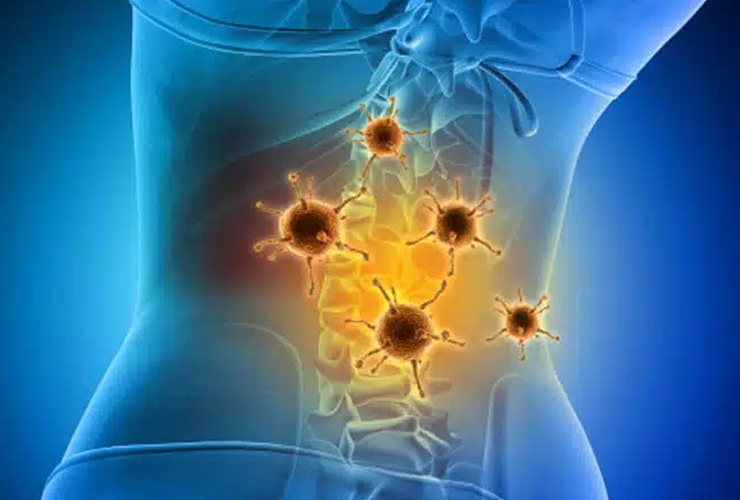
Spinal Infections (TB, Discitis)
Spinal infections are serious conditions that affect the vertebrae, intervertebral discs, or surrounding tissues of the spine. These infections can be caused by bacteria, tuberculosis, or other microorganisms and may lead to inflammation, pain, and damage to spinal structures if not treated promptly.
Conditions such as spinal tuberculosis (Pott’s spine) and discitis require early diagnosis and proper medical care to prevent complications like spinal deformity, nerve damage, or loss of mobility.
Common Types of Spinal Infections
Spinal Tuberculosis (Pott’s Spine)
Spinal tuberculosis is a form of tuberculosis that affects the vertebrae. It can gradually damage spinal bones and may lead to spinal deformity or nerve compression if untreated.
Discitis
Discitis is an infection of the intervertebral disc space between spinal bones. It causes severe back pain and inflammation and may occur due to bacterial infection spreading through the bloodstream.
Causes of Spinal Infections
Spinal infections may develop due to several factors, including:
-
Tuberculosis infection affecting the spine
-
Bacterial infections spreading through the bloodstream
-
Post-surgical infections
-
Weakened immune system
-
Chronic illnesses such as diabetes
Early identification of infection helps prevent serious spinal complications.
Symptoms of Spinal Infections
Symptoms may develop gradually and worsen over time. Common symptoms include:
-
Persistent back or neck pain
-
Fever and fatigue
-
Stiffness in the spine
-
Difficulty standing or walking
-
Numbness or weakness in arms or legs
-
Weight loss in cases of tuberculosis
If these symptoms appear, medical evaluation is necessary.
Diagnosis
Accurate diagnosis helps determine the type and severity of the infection. Diagnostic methods may include:
-
Blood tests to detect infection
-
MRI scan of the spine
-
CT scan for detailed bone evaluation
-
X-rays of the spine
-
Biopsy or culture tests to identify the infectious organism
Treatment Options
Treatment for spinal infections focuses on eliminating the infection and protecting spinal structures.
Medical Treatment
Most cases can be treated with long-term antibiotics or anti-tuberculosis medications depending on the type of infection.
Spinal Stabilization
In cases where infection weakens the spine, supportive braces may be used to stabilize the affected area.
Surgical Treatment
Surgery may be required in severe cases to remove infected tissue, decompress nerves, and stabilize the spine.
Recovery and Long-Term Care
With early diagnosis and proper treatment, many patients recover successfully from spinal infections. Regular follow-up visits, imaging studies, and rehabilitation programs help ensure proper healing and prevent recurrence.
Early medical attention plays a crucial role in protecting spinal health and preventing permanent damage.
Advanced Neurosurgery Services