-
-
-
Gleneagles Hospital, Parel, Mumbai
Brain Hemorrhage
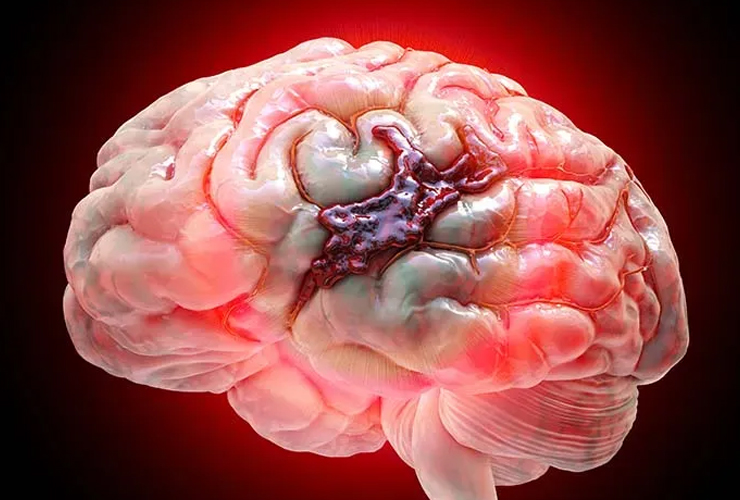
Brain Hemorrhage (Minimally Invasive Techniques)
A brain hemorrhage occurs when a blood vessel in the brain ruptures, causing bleeding within or around the brain tissue. This condition is a serious medical emergency that requires immediate diagnosis and expert neurological care. If not treated promptly, brain hemorrhage can lead to increased pressure on the brain and potentially life-threatening complications.
With advancements in medical technology, minimally invasive surgical techniques allow doctors to treat brain hemorrhage more safely and effectively while reducing trauma to surrounding brain tissues.
What Causes Brain Hemorrhage?
Brain hemorrhage can occur due to several medical conditions, including:
-
High blood pressure (Hypertension)
-
Head injury or trauma
-
Ruptured brain aneurysm
-
Blood vessel abnormalities
-
Blood clotting disorders
-
Certain brain tumors
Early medical attention is critical to prevent severe brain damage.
Common Symptoms of Brain Hemorrhage
Symptoms may appear suddenly and can worsen quickly. Common warning signs include:
-
Sudden severe headache
-
Weakness or numbness on one side of the body
-
Difficulty speaking or understanding speech
-
Loss of balance or coordination
-
Vision problems
-
Seizures or loss of consciousness
Immediate medical evaluation is essential if these symptoms occur.
Minimally Invasive Treatment Options
Modern neurosurgical techniques allow doctors to treat brain hemorrhage with smaller surgical openings and advanced imaging guidance.
Common minimally invasive procedures include:
-
Endoscopic evacuation of the blood clot
-
Image-guided catheter drainage
-
Stereotactic aspiration techniques
-
Endovascular procedures for bleeding control
These procedures help remove accumulated blood, reduce pressure on the brain, and prevent further complications.
Benefits of Minimally Invasive Brain Surgery
-
Smaller surgical incisions
-
Reduced trauma to surrounding brain tissues
-
Lower risk of complications
-
Shorter hospital stay
-
Faster recovery and rehabilitation
Diagnosis and Emergency Care
Prompt diagnosis is crucial for effective treatment. Diagnostic methods may include:
-
CT Scan of the brain
-
MRI imaging
-
Neurological examination
-
Blood tests and monitoring
Early intervention significantly improves survival and recovery outcomes.
Recovery and Rehabilitation
After treatment, patients may require rehabilitation to regain strength, speech, and coordination. A comprehensive care plan may include physiotherapy, neurological monitoring, and follow-up imaging to ensure long-term recovery.
Advanced Neurosurgery Services